Planting perennials in autumn:
give your garden a head start
In autumn, the garden seems to slowly wind down. Leaves change color, spent flower stems continue to sway in the wind and new growth becomes less visible. Yet there is still plenty going on beneath the surface. The soil is often still warm from the summer and contains more moisture than during the dry spring and summer months. This is precisely why autumn is a particularly good time to plant many perennials and (fruit) shrubs.
If you plant in autumn, you give new plants time to establish their roots undisturbed before spring begins. As soon as the days start getting longer again, they can immediately use their energy for new shoots, leaves and flowers. In this way, you lay the foundations in autumn for a garden that can flourish to the full from spring onwards.
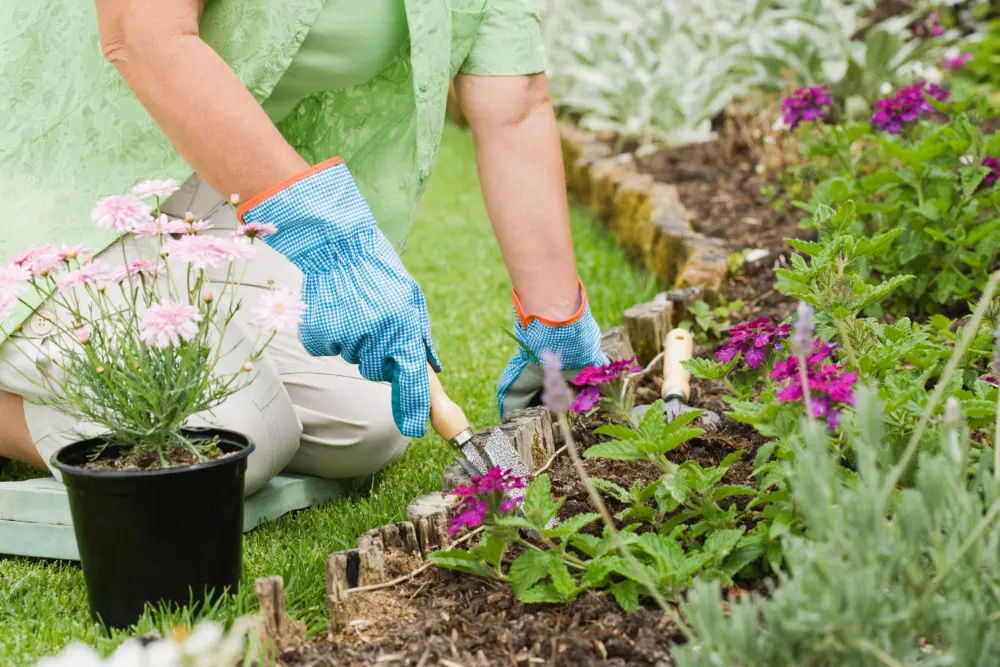
Why is autumn such a good time to plant?
When we think of gardening, spring often springs to mind. That’s understandable: everything starts growing again then, and garden centers are full of flowers. But for the roots of many plants, autumn actually offers very favorable conditions.
The soil is still warm
After the summer, the air cools down faster than the soil. Whilst above-ground growth slows down, roots can continue to grow in the still relatively warm soil. At this stage, the plant needs to expend less energy on new leaves and flowers. This allows it to settle into its new spot undisturbed.
Root growth does not continue unabated throughout the winter. As soon as the soil becomes really cold, life underground also slows down. By then, however, the initial growth has already taken place. In the spring, the plant can pick up where it left off.
There is usually more moisture available
Autumn days are generally cooler and more humid than summer days. The soil dries out less quickly and new plants lose less water through their leaves. You still need to water thoroughly after planting, but you’ll usually need to get out with the watering can less often than with a spring or summer planting.
Plants start spring well prepared
A plant that has already formed roots in autumn does not have to start completely from scratch in spring. As soon as the temperature rises, it can absorb water and nutrients and produce new growth. This gives many perennials and shrubs a natural head start.
Which plants can you plant in autumn?
Not every plant has exactly the same requirements. Hardiness, soil type, drainage and location remain important factors. The overview below provides a practical starting point.
Plant group | Suitable for autumn planting? | What to look out for? |
Hardy perennials | Yes | Plant preferably in September or October and water well |
Deciduous shrubs | Usually yes | Allow the roots sufficient time before a period of severe frost |
Fruit-bearing shrubs | Often very suitable | Choose the right soil type and check the mature size |
Spring-flowering bulbs | Yes | Plant at the correct depth in well-drained soil |
Hardy potted plants | Yes, with care | Use a spacious, frost-resistant pot with good drainage |
Moderately hardy plants | Not always | In cold, wet or exposed gardens, spring is often the safer option |
Heat-loving plants | Usually not | Let them overwinter in a sheltered spot first and plant them in the spring |
Hardy varieties are particularly good choices. These include robust perennials, groundcovers, herbs, ornamental grasses and many deciduous shrubs. Always check the specific plant’s requirements: a variety suited to dry, sandy soil will not thrive in wet clay, even if you plant it at the right time.
In our range of organic perennials, you can filter by location, height, flowering time and suitability for bees or pots. This way, you’ll find plants that not only complement each other beautifully, but also suit the conditions in your garden.
Fruit shrubs are also often best planted in the autumn
Currants, gooseberries, raspberries, blackberries and many other organic fruit shrubs can be planted successfully in the autumn. Deciduous fruit bushes enter their dormant period at this time. They require little energy above ground and can establish themselves in their new location.
Do bear in mind the specific requirements of each species. Blueberries, for example, prefer acidic, humus-rich soil, whilst other berry bushes tolerate different soil conditions. Also check how much space the mature shrub will need. A young plant may look modest, but a healthy fruit shrub can grow considerably over the years.
Water fruit shrubs generously after planting and keep the soil slightly moist during dry spells. A layer of organic mulch helps to retain soil moisture. Leave some space free around the base of the shrub so that the stems do not remain constantly wet.
Planting a complete border in autumn
Autumn isn’t just the right time to add the odd plant here and there. It’s also a great time to create an entire border or redesign a bare patch. You can take your time to see which parts of the garden could do with more color, height or texture.
A good border consists of plants with different shapes and flowering times. Low ground-cover plants cover the soil, medium-height plants provide volume, and taller varieties add rhythm and depth. By also planting spring-flowering bulbs amongst the perennials, flowering begins early in the year.
This autumn, therefore, at Natural Bulbs you’ll find not only individual plants, but soon there’ll also be ready-made organic border packs. The plants in each pack are carefully selected to complement one another in terms of location, height, color, and flowering period. This means you can create a cohesive border that you’ll truly enjoy, even without a detailed planting plan.
In addition, we’ll be offering packs that combine perennials and flower bulbs. The bulbs provide the first splash of spring color, after which the perennials take over. This creates a border that continues to change from early spring well into the season.
Would you like to add some extra flower bulbs yourself? Then take a look at our spring-flowering collections and organic flower bulbs for bees.
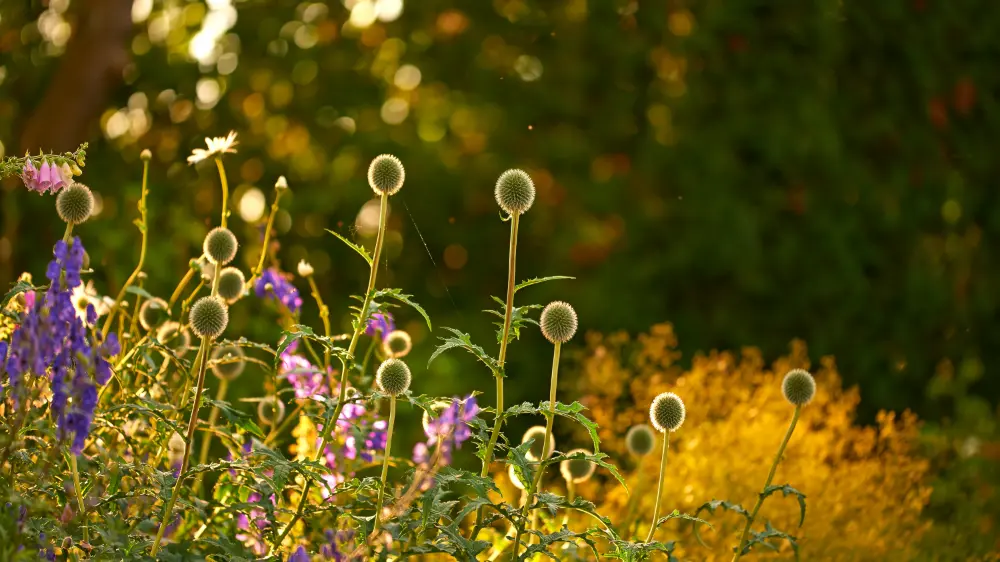
Can you do this on a balcony or terrace?
Even without a garden, you can plant perennials in the autumn. Many compact perennials, herbs and small shrubs thrive in a spacious pot or planter. On a balcony or terrace, you can also plant flower bulbs in different layers. In the spring, they’ll emerge amongst the perennials without taking up any extra floor space.
Potted plants do require a bit more attention in winter, however. Their roots are less well protected than those in the open ground. You should therefore choose a hardy variety and use a spacious, frost-resistant pot with holes in the base. If necessary, place the pot on legs so that rainwater can drain away easily.
Make sure the potting compost doesn’t remain soaking wet for long, but don’t let the root ball dry out completely either. On a sheltered balcony in particular, rainwater sometimes barely reaches the pot. You should therefore check the soil occasionally in autumn and winter and water on a frost-free day if necessary.
Check the ‘Plants for Pots’ label on each plant and perhaps add a suitable pot for bulbs and plants if needed.
How to plant perennials and shrubs in the autumn
With the right preparation, you can give new plants the best possible start.
- Choose the right spot
Consider the number of hours of sunshine, the amount of wind and how moist the soil remains. Also take into account the plant’s mature height and width. A plant that is placed in the right spot from the outset can continue to thrive there for years to come. - Loosen the soil
Remove stubborn weeds and loosen the soil well around the planting hole. On heavy or compacted soil, you can use mature compost to improve the soil structure. The aim is to create a well-aerated soil in which water can drain away and roots can spread. - Moisten the root ball
If the potting compost is dry, briefly submerge the root ball in a bucket of water or water the plant thoroughly before planting. Carefully remove the plant from the pot. You can use your fingers to gently loosen any roots that are tightly wound around the root ball. - Plant at the correct depth
As a general rule, plant a potted plant at the same depth as it was in its nursery pot. This means the top of the root ball should be roughly level with the surrounding soil. Different advice applies to some plant species; therefore, always follow the information provided with the plant. - Water generously
Even if rain is forecast, it is important to water after planting. The water helps the soil settle properly around the roots and fills any air pockets around the root ball. - Protect the soil
A thin layer of leaves, leaf mold, or other organic mulch helps retain moisture and protects soil life. Do not completely cover the crown of perennials or the base of woody stems, as moisture may otherwise remain there for too long.
When is it better to wait a little longer?
Do not plant when the soil is frozen or waterlogged. Soaked soil contains very little air, whereas plant roots need oxygen. You should also wait if a severe frost is forecast within a few days and the plant will have barely any time to establish itself.
Moderately hardy and heat-loving plants may be more susceptible to a cold, wet winter. For such species, planting in spring is often wiser. On heavy clay soil or in a very open, windy spot, it is also a good idea to assess the best planting time on a species-by-species basis.
A plant that disappears isn’t immediately lost forever
Many perennials die back above ground in autumn. Sometimes, after planting, you’ll only see a small rosette of leaves or a few withering stems. That doesn’t mean the plant is dead. Underground, the roots and growing points remain dormant.
You might want to leave a plant label in place so that you still know where the plant was placed come spring. As soon as the soil and air warm up again, the fresh green will appear of its own accord. It remains a small miracle: for months the earth seems still, until the garden suddenly comes back to life.
Frequently asked questions about planting in autumn
- Until when can you plant perennials?
Hardy perennials are best planted in September and October. In a mild autumn, it is often possible to plant them in November too, provided the soil is not frozen or waterlogged. The later you plant, the more important hardiness and good drainage become. - Do you still need to water plants planted in autumn?
Yes. Water every new plant generously immediately after planting, even if the soil feels moist. Check the soil regularly during the first few weeks. In dry autumn weather and on sheltered balconies, extra watering may still be needed. - Are new plants immediately frost-hardy?
A hardy plant can tolerate the cold, but a newly planted root ball has not yet fully integrated with the surrounding soil. You should therefore water the plant sufficiently, ensure good drainage and, if necessary, apply a light layer of mulch. Moderately hardy varieties require extra protection. - Can you plant fruit shrubs in autumn?
Yes, autumn is a good time to plant many fruit shrubs. Deciduous shrubs go into dormancy and can settle into their new spot. Do not plant in frozen or waterlogged soil, and always take into account the specific soil requirements of the fruit variety. - Can you pot up perennials in autumn?
You can, provided the plant is hardy and the pot is large enough, frost-resistant and well-drained. Roots in a pot are more sensitive to frost and fluctuating moisture levels than roots in the open ground. If possible, place pots in a sheltered spot and check the soil moisture during dry spells.
Autumn marks the start of the next gardening season
A garden isn’t created in a single day. It grows with the seasons and becomes more beautiful as plants settle into their places. By planting perennials, fruit bushes and flower bulbs in autumn, you give the roots plenty of time to develop.
Choose individual organic plants to combine yourself, or start with a complete border pack in which colours, heights and flowering times are already coordinated. Then all you need to do is prepare the soil and plant them. Nature will then do the rest, at its own pace.