3 Seasons of Flowers – Part Shade – Organic
Reference: AC99104
From the first crocus to the last Anemone: months of flowers in part shade
- 18 organic perennial plants and 200 organic flower bulbs
- Designed to flower from February until well into autumn
- For borders in light or dappled shade
- Different heights create a full, naturally layered border
- Combines early spring bulbs with long-flowering perennials
- The complete pack is delivered in one shipment

Natural Bulbs
-

100% Organic NL-BIO-01
Detail
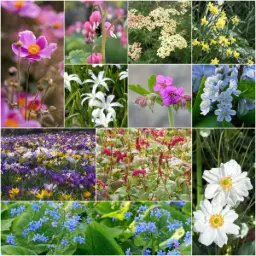
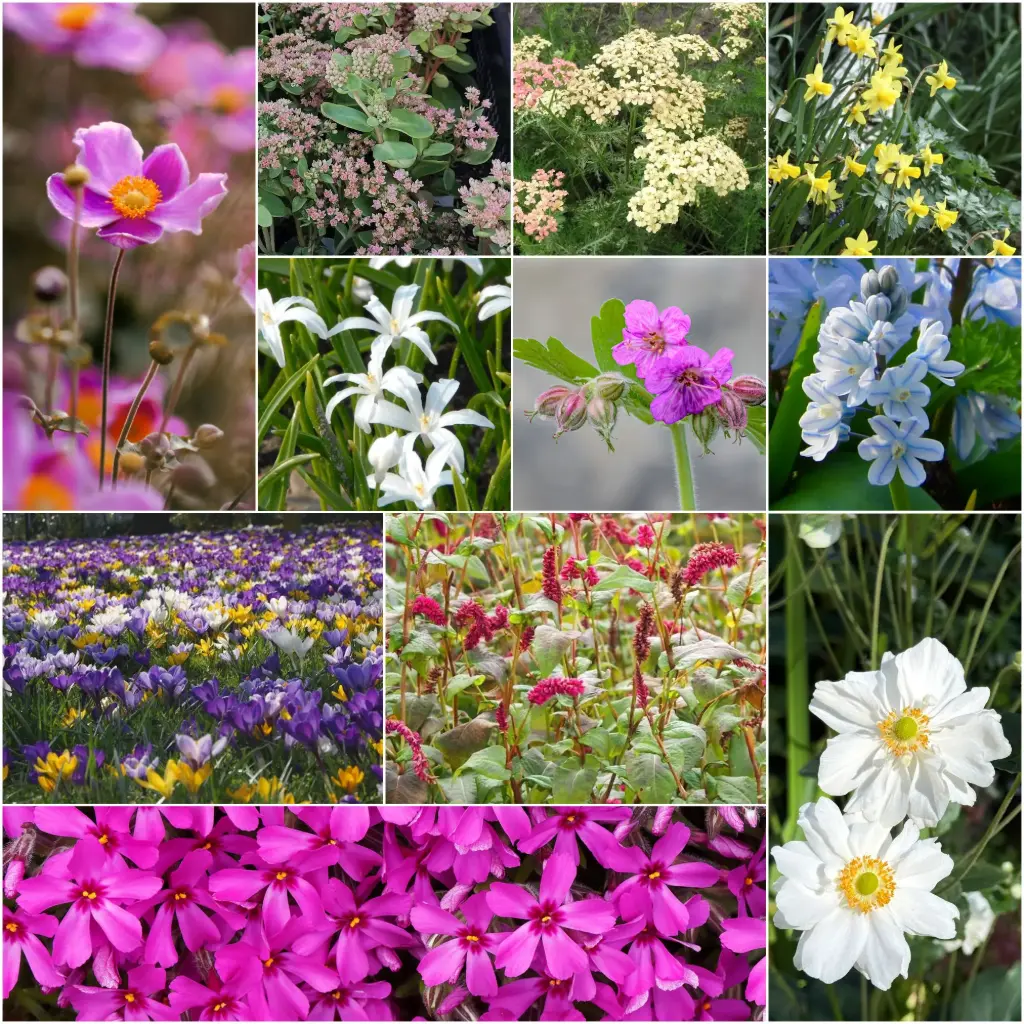
A border in partial shade doesn't have to flower for only a few weeks. With the 3 Seasons of Flowers – Part Shade – Organic, the gardening season begins while much of the garden is still waking up, and flowering continues well into autumn. The collection combines 18 organic perennials with 200 organic flower bulbs. Crocuses, glory-of-the-snow, Puschkinia and small daffodils open the season. Phlox subulata ‘Scarlet Flame’ and Geranium then create a green foundation with vivid pink-red and soft pink spring flowers. During summer, salmon-pink yarrow and the tall flower spikes of Persicaria take over. Towards late summer, Sedum ‘Matrona’ introduces soft pink flower heads, while pink Anemone ‘Splendens’ and white ‘Whirlwind’ bring the season to a close. One flowering plant follows another, allowing the border to change in colour and character throughout three seasons.
What is included in the 3 Seasons of Flowers – Part Shade?
| Plant or bulb | Quantity | Flower colour | Height | Flowering period | |
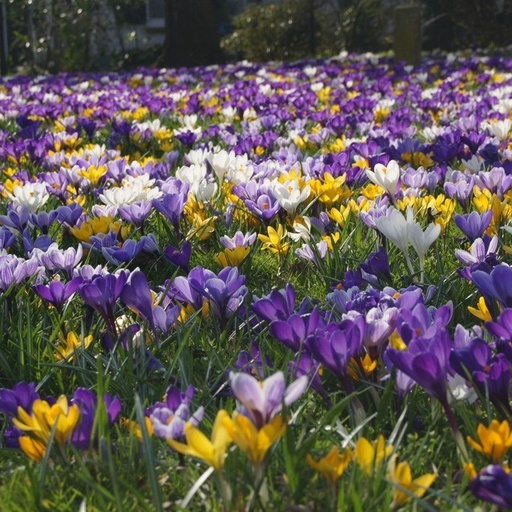
| Crocus vernus Mix | 50 bulbs | White, yellow, purple and striped | 15–25 cm | February – March |
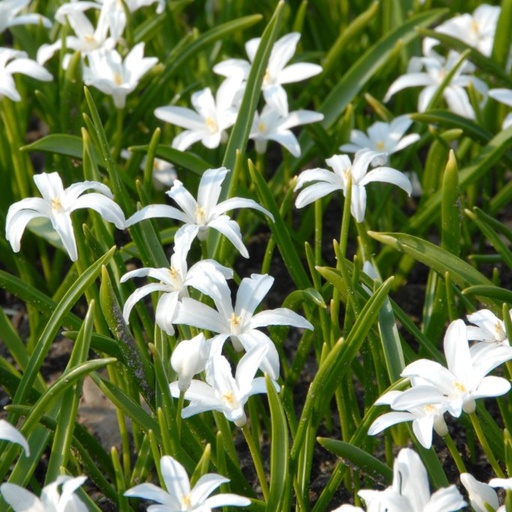
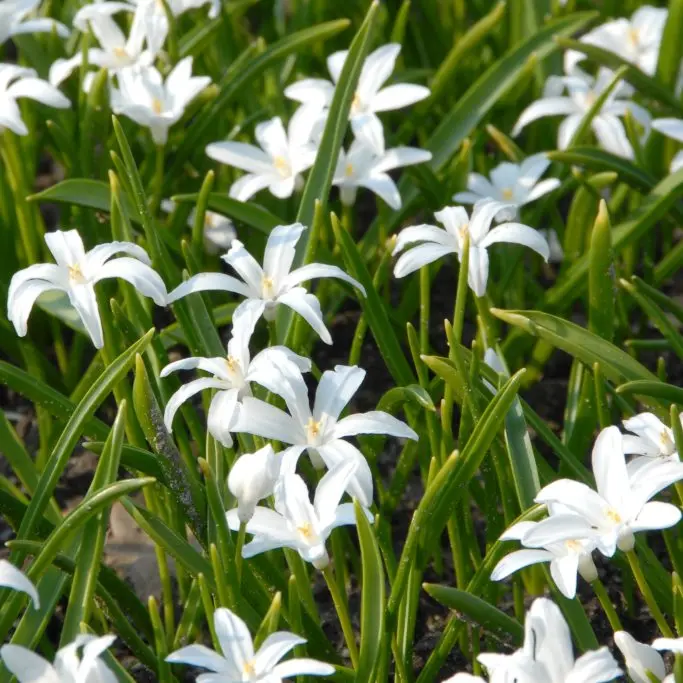 | Chionodoxa Alba – Glory-of-the-snow | 50 bulbs | White | 5–15 cm | March |
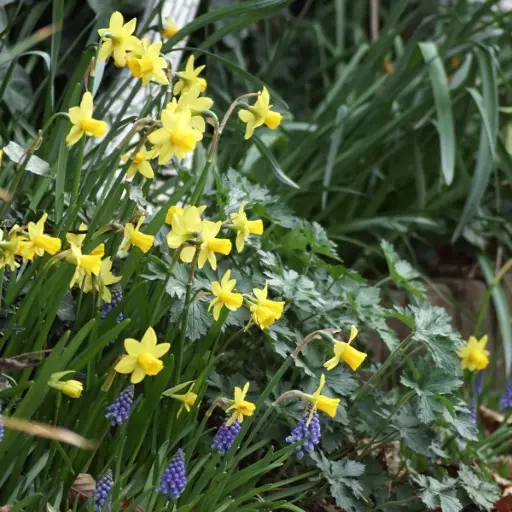
 | Narcissus ‘Tête-à-Tête’ | 50 bulbs | Yellow | 15–25 cm | March |
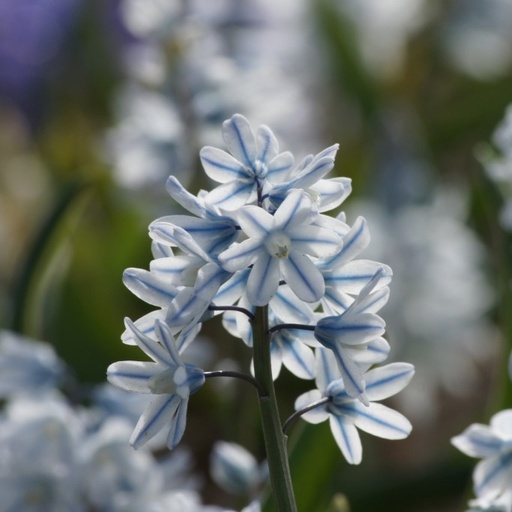
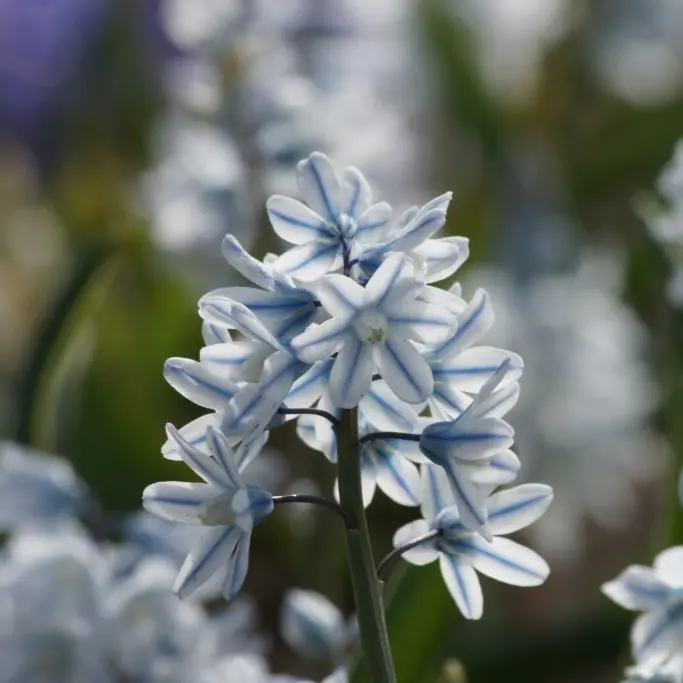 | Puschkinia libanotica – Striped squill | 50 bulbs | Pale blue with blue stripe | 5–15 cm | March |
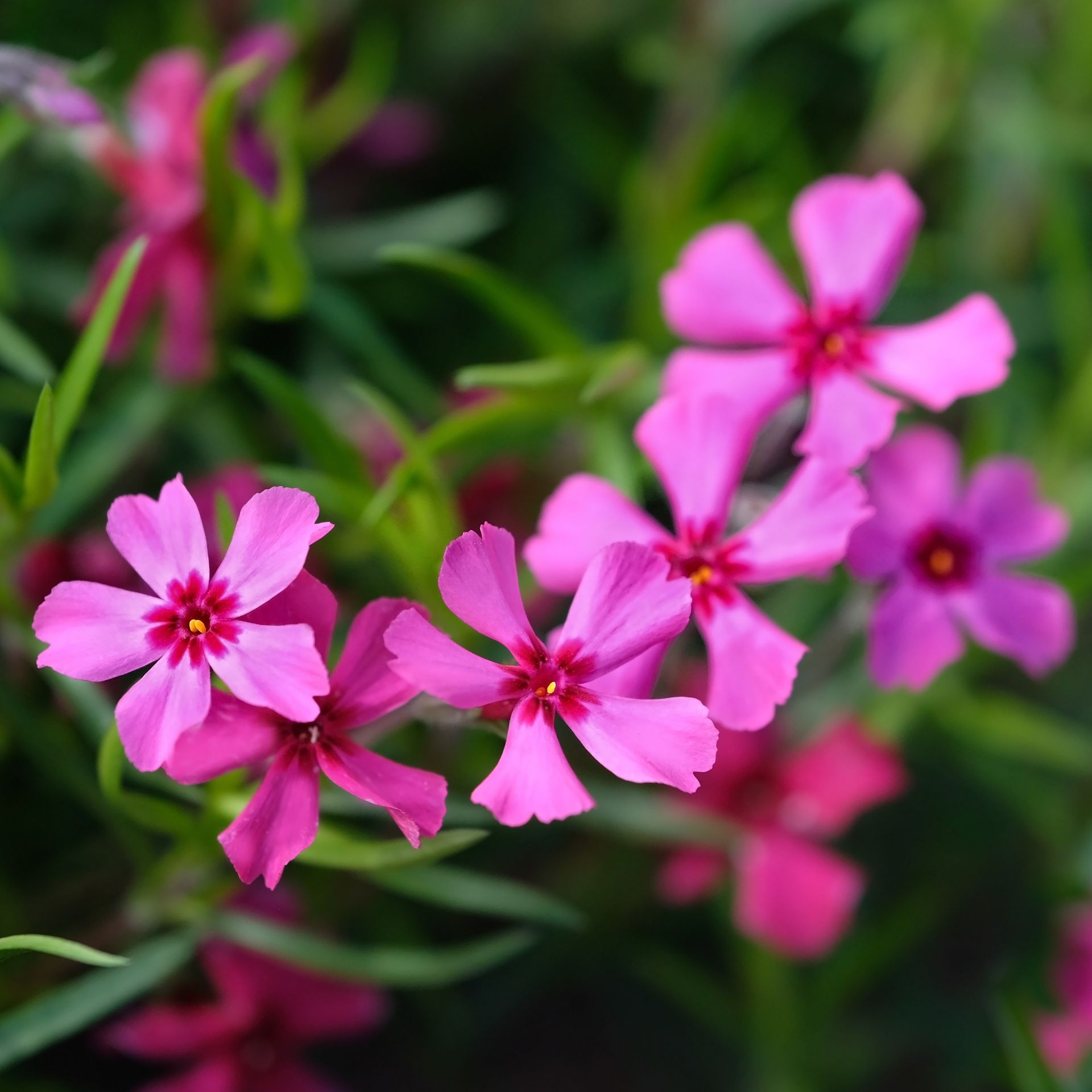
| Phlox subulata ‘Scarlet Flame’ | 3 plants | Pink-red with darker red centre | 5 - 15 cm | April – June |
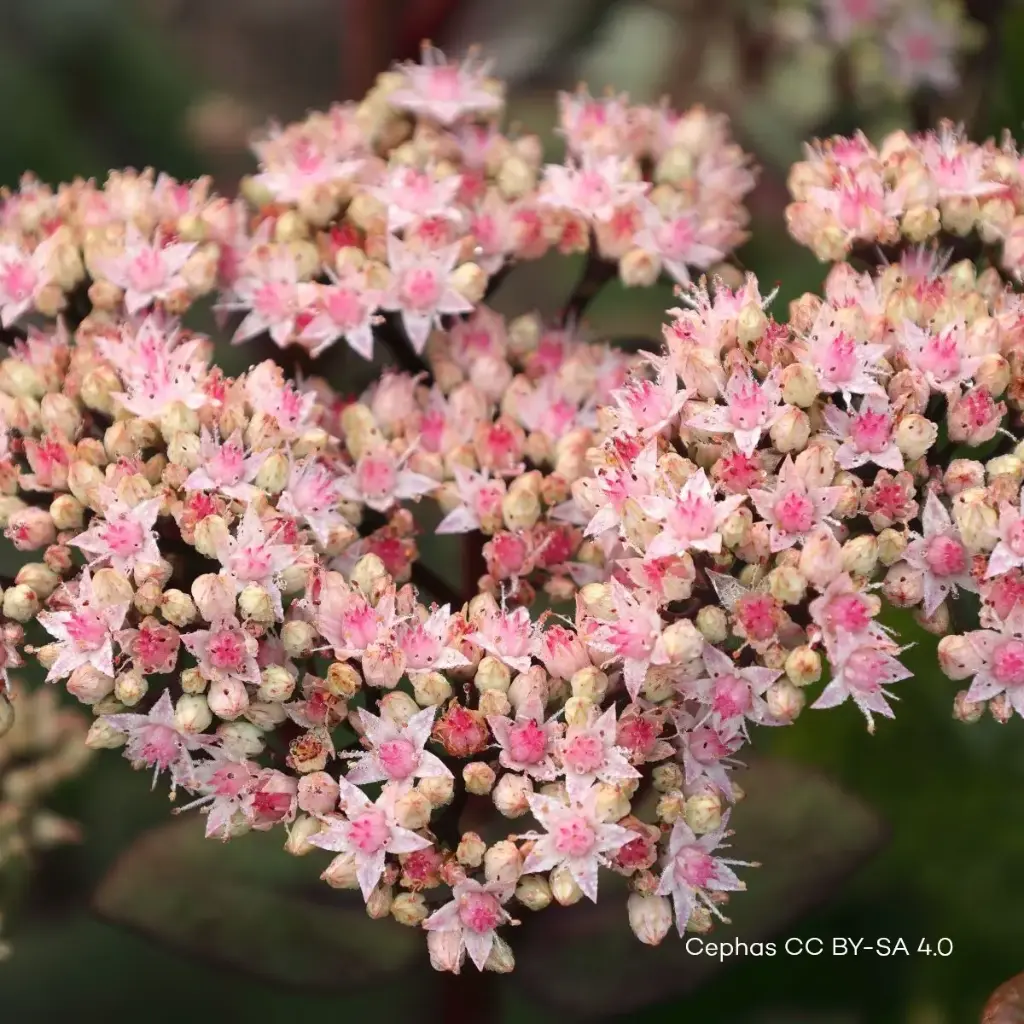
| Sedum ‘Matrona’ – Stonecrop | 2 plants | Soft pink | 50–70 cm | Augustus – October |
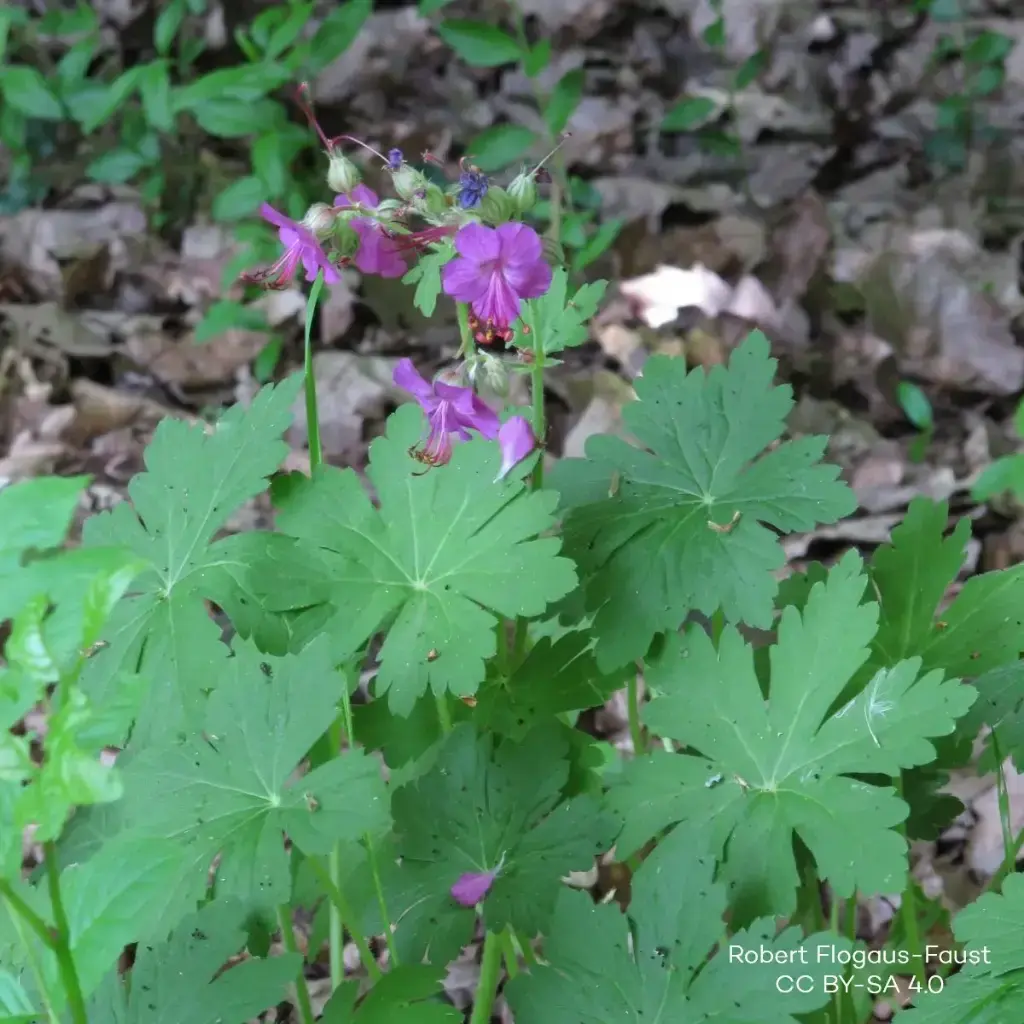
| Geranium macrorrhizum – Cranesbill | 4 plants | Pink to purplish pink | 20–40 cm | May – July |
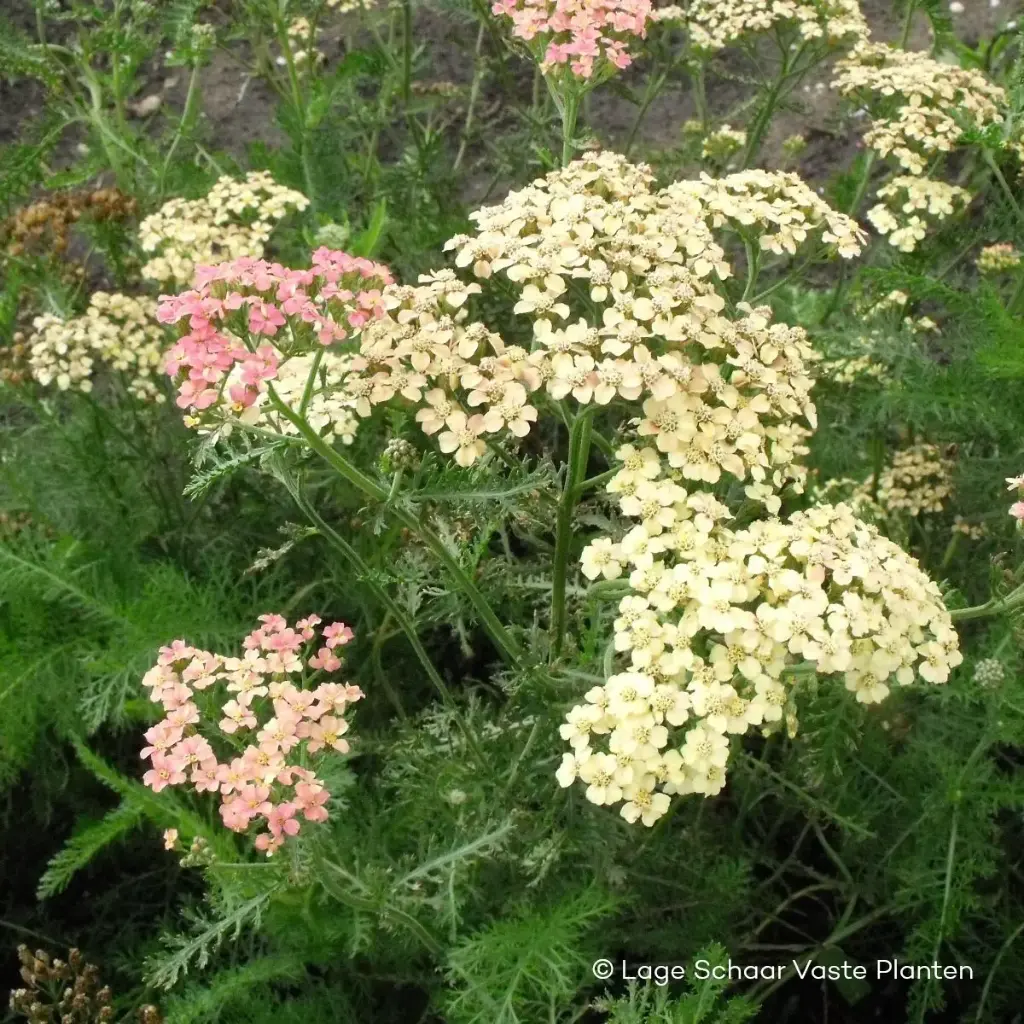
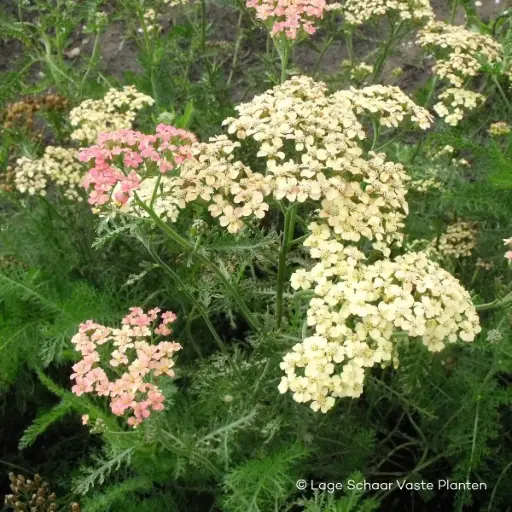
| Achillea m. ‘Lachsschönheit’ – Yarrow | 2 plants | Salmon pink fading to cream | 60–80 cm | June – September |
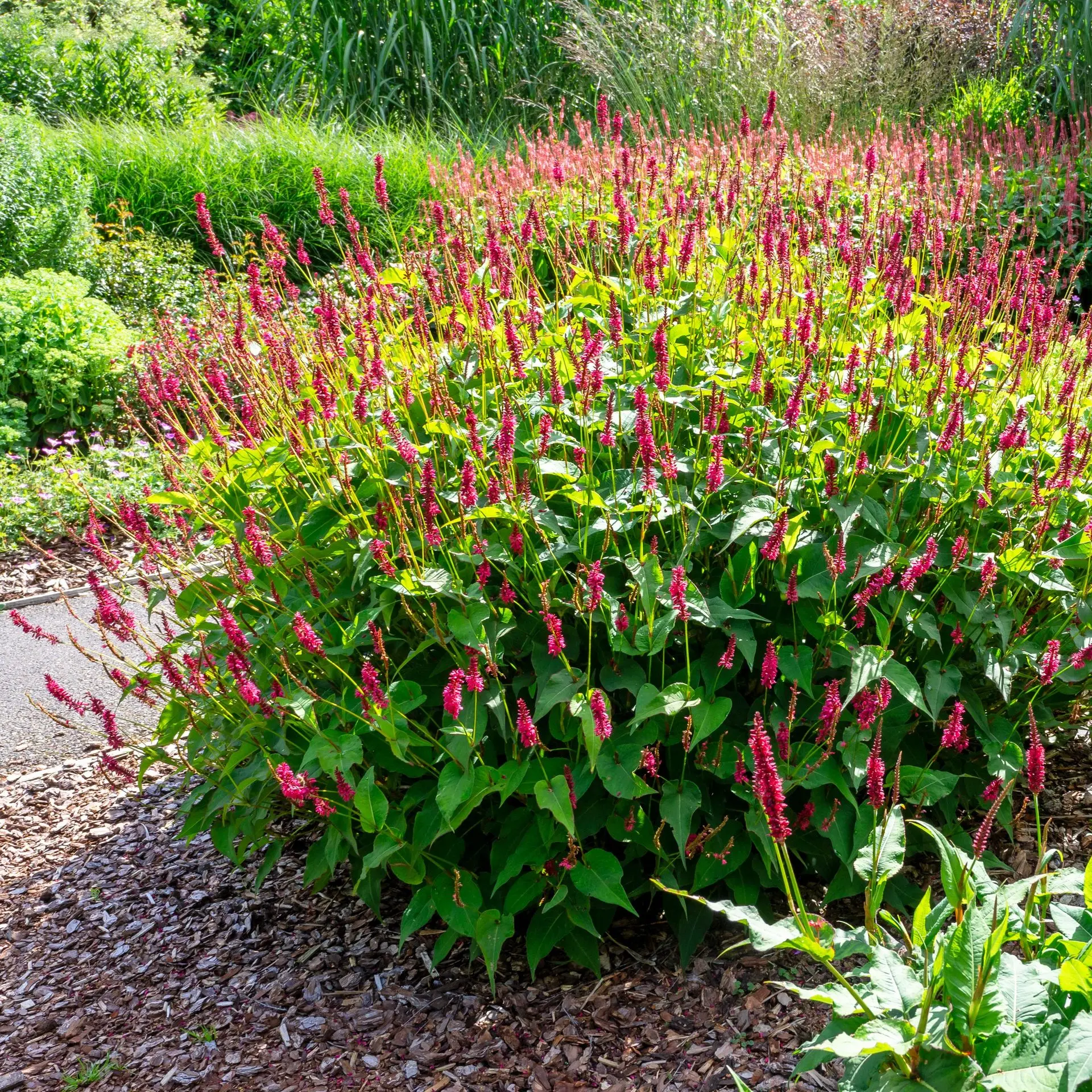
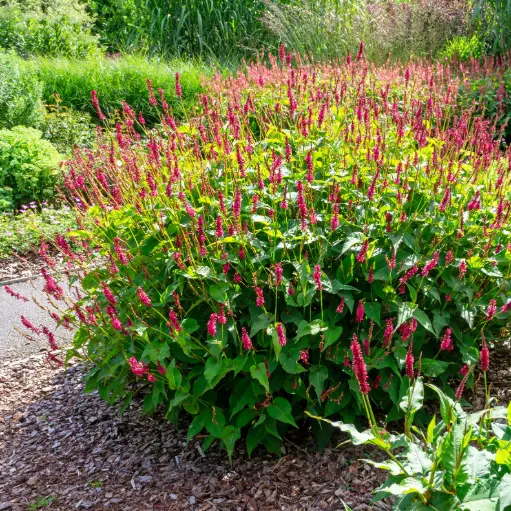
| Persicaria amplexicaulis | 1 plant | Red to pink-red | 100–140 cm | July – October |
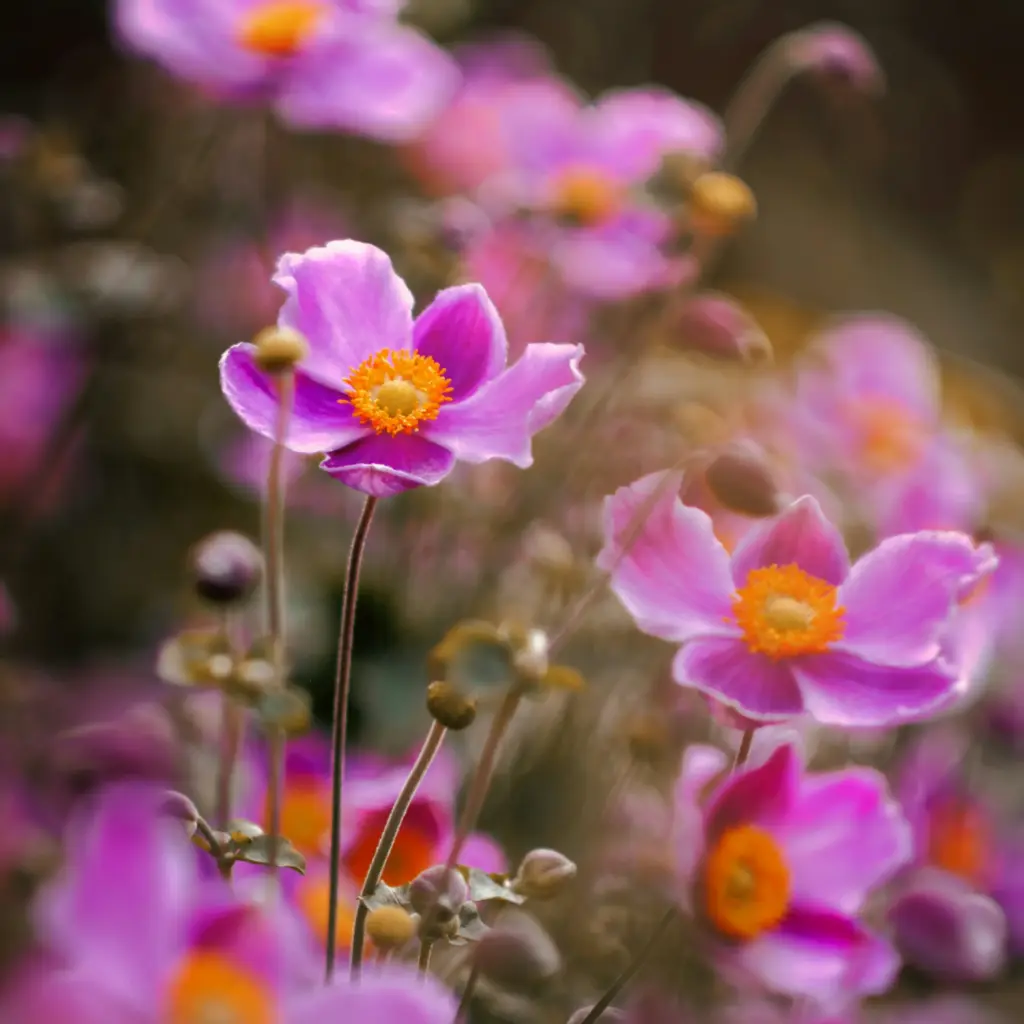
| Anemone ‘Splendens’ | 3 plants | Deep pink | app. 60 cm | Augustus – October |
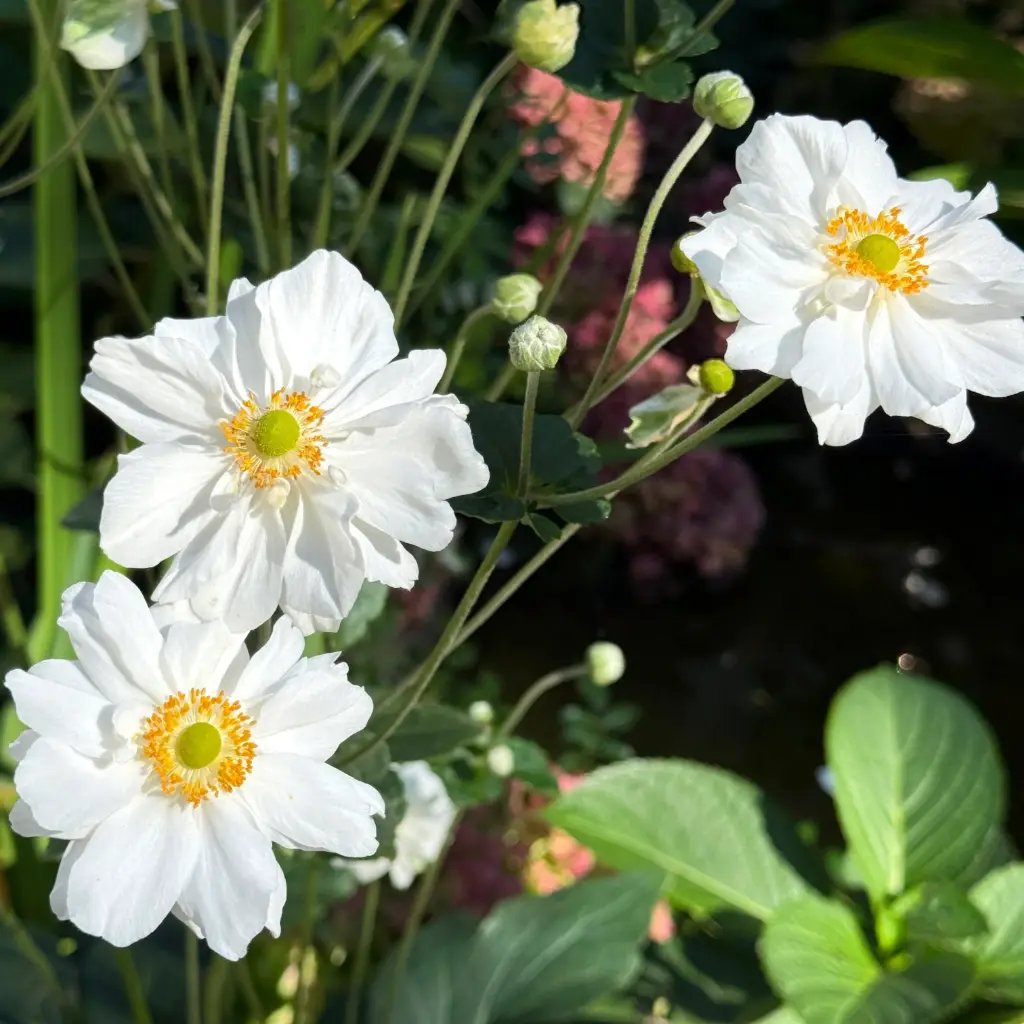
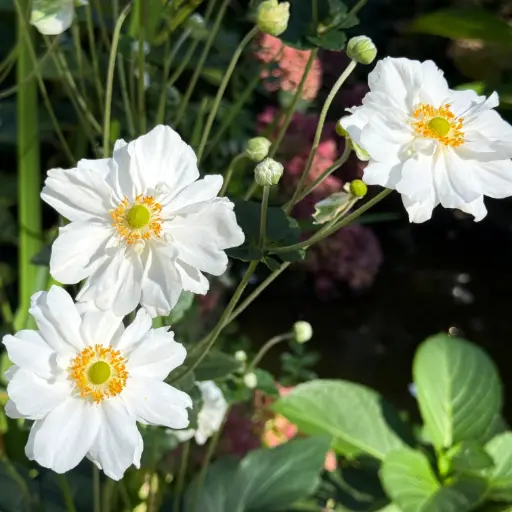
| Anemone ‘Whirlwind’ | 3 plants | White with yellow centre | app. 90 cm | Augustus – October |

Flowering periods are approximate and depend on weather and growing conditions
Spring begins close to the ground
The flowering season starts with 200 spring bulbs. Crocuses appear first, followed by white glory-of-the-snow, pale blue Puschkinia and compact yellow ‘Tête-à-Tête’ daffodils. This works particularly well beneath deciduous trees and shrubs. Early in spring, plenty of light can still reach the ground. Later in the season, the developing canopy provides more shelter and shade. As the spring bulbs start to retreat, the perennial plants are already ready to take over.
Pink-red flowers and fresh green foliage in spring
Phlox subulata ‘Scarlet Flame’, also known as moss phlox, forms a low, evergreen carpet of fine, needle-like foliage. In spring, masses of vivid pink-red flowers with darker red centres bring a lively splash of colour to the border. This creeping perennial performs best in a bright position with well-drained soil. Geranium macrorrhizum fills out the lower parts of the border. Its aromatic foliage creates a dense green foundation, while pink to purplish-pink flowers add further colour from May onwards. Together, these plants make partial shade feel fresh, colourful and full of life.
Summer adds height to the border
The appearance changes again as summer progresses. Achillea ‘Lachsschönheit’ produces warm salmon-pink flower heads that gradually fade to paler tones. Position it in the brightest part of the border where possible. Persicaria amplexicaulis grows taller and develops long red to pink-red flower spikes from summer onwards, adding both height and movement.
Sedum and Japanese anemones finish the season
Late summer brings another change. Sedum ‘Matrona’ develops sturdy, dark-tinted stems, grey-green foliage and broad clusters of soft pink flowers. These attract bees and butterflies, while the dried seed heads can remain attractive after flowering. The Japanese anemones then provide a graceful continuation. Anemone ‘Splendens’ produces open deep-pink flowers, while ‘Whirlwind’ offers a contrast with its white, semi-double blooms. Together they keep the border attractive from August into October.
A naturally layered border
The plants have been deliberately selected for their different heights. Spring bulbs stay low and emerge between the perennials. Phlox subulata ‘Scarlet Flame’ and Geranium create the lower green layer. Achillea and Sedum ‘Matrona’ fill the middle, while Persicaria and the anemones bring height and movement towards the back. Avoid planting everything in strict rows. Position the perennials naturally and plant the bulbs in loose groups between them. Over time, the individual plants will increasingly grow together into one cohesive border. Give the moss phlox a bright position along the edge, where its pink-red flowers can really shine.
Where should you plant this pack?
The 3 Seasons of Flowers – Part Shade – Organic is designed for light partial shade: somewhere that receives sun for part of the day and shade for the rest. Good locations include:
the lighter edge of a border beneath deciduous trees
alongside a hedge
a border with morning or evening sun
an east- or west-facing part of the garden
Make use of the different light levels within the border. Geranium is happy in slightly shadier positions, while Phlox ‘Scarlet Flame’, Sedum ‘Matrona’ and Achillea should ideally receive several hours of direct sunshine in the brightest part. A humus-rich soil that retains moisture without remaining waterlogged suits most of the plants. Good drainage is particularly important for Phlox and Sedum. Position the perennial plants first and then distribute the flower bulbs between them. The complete pack is delivered in one shipment, allowing you to plant the whole border at once.
Alternative Products




Product Features
| Uncategorized |
|---|